The Problem with Ranking & Scoring Whiskies
Are whisky scores and ratings actually useful, or just clever marketing?

Are whisky scores and ratings actually useful, or just clever marketing?
When you first get into whisky, it can be overwhelming.
Standing in front of bottles on a shelf and one of them has a big shiny sticker screaming “94 Points.” You’ve never heard of the distillery, you don’t recognise the label, but that number gives you a little nudge. It feels the safer choice and I know I have fallen for it myself more than once.
But what does that score actually mean? Is it a genuine mark of quality, a helpful guide, or just clever marketing dressed up as authority?
Scores are everywhere. YouTube, blogs, medals and on shop shelves. And if we’re honest, most of us have done that quick check before buying. A fast skim of reviews can either push a bottle into the basket or make us pause.
Whisky hasn’t always been about numbers. As the range of bottles exploded and flavour chasers wanted a way to compare notes more clearly, scoring became the shorthand. The 100 point system in particular was popularised in the 1980s by Michael Jackson through his book Malt Whisky Companion. Borrowed from wine, it sounded simple. One hundred points. Job done.
Except it is not really one hundred points. Most systems effectively start at 50. The majority of decent whiskies sit between 80 and 95, which means the actual working range is much smaller than it looks. An 85 sounds impressive, but in reality it is often just average to good.
Others like Serge Valentin at Whiskyfun and Ralfy with his Malt Marks in the Whisky Bothy also uses his variations of the 100 point scale. These systems are consistent within themselves, which is important, but they are still built on one person’s palate.
If your tastes line up with a reviewer’s, their scores are incredibly useful. If not, the number becomes far less meaningful.
This is why I quite like a 10 point system. Something like Dramface feels more grounded. A five out of ten reads as average. An eight feels genuinely strong. It is easier to understand instinctively. It also exposes how marketing can twist perception. Eighty five out of one hundred sounds far more impressive than five out of ten, even if they represent roughly the same thing.
Then you have competitions like the International Wine & Spirit Competition handing out bronze, silver and gold based on score bands. Those medals for sure hold a lot of weight and purchase power.
There is also a less comfortable side to all of this. Free samples are common in the industry, but paid reviews also exist. Numbers can be nudged up and scores can be inflated.
Overal I don’t think scoring is useless. The number gives you a quick reference point and helps you compare bottles and track your own preferences over time. If you see an unknown distillery consistently scoring highly across multiple visits it might encourage you to explore it.
The key factor is CONTEXT. My ninety five could be your seventy five. A big sulphury sherry bomb might delight one drinker and completely put off another. Your mood, the setting, even what you had for dinner can change how a whisky shows itself.
So yes, I think whisky can be scored. But it is only part the battle.
For me, the 100 point system feels inflated. The buy or do not buy style systems can blur quality with price. The 10 point system works well, but I want something even simpler and less dominant.
That is why I am moving to a five star approach. You made a whisky and got it to market. That earns you one star. The rest have to be earned in the glass.
Most importantly, never let a sticker, medal or a reviewer tell you what you enjoy. Whisky is personal and trust your own palate. We are all different batches, and that is exactly what makes Whisky so much fun.
 https://jeffwhisky.com/wp-content/uploads/dynamic_avia/avia_video_thumbnails/youtube/W-lUunNDU0Q/W-lUunNDU0Q.jpg
720
1280
Jeff Whisky
https://jeffwhisky.com/wp-content/uploads/2024/02/Jeff-Whisky-Logo-1030x682.png
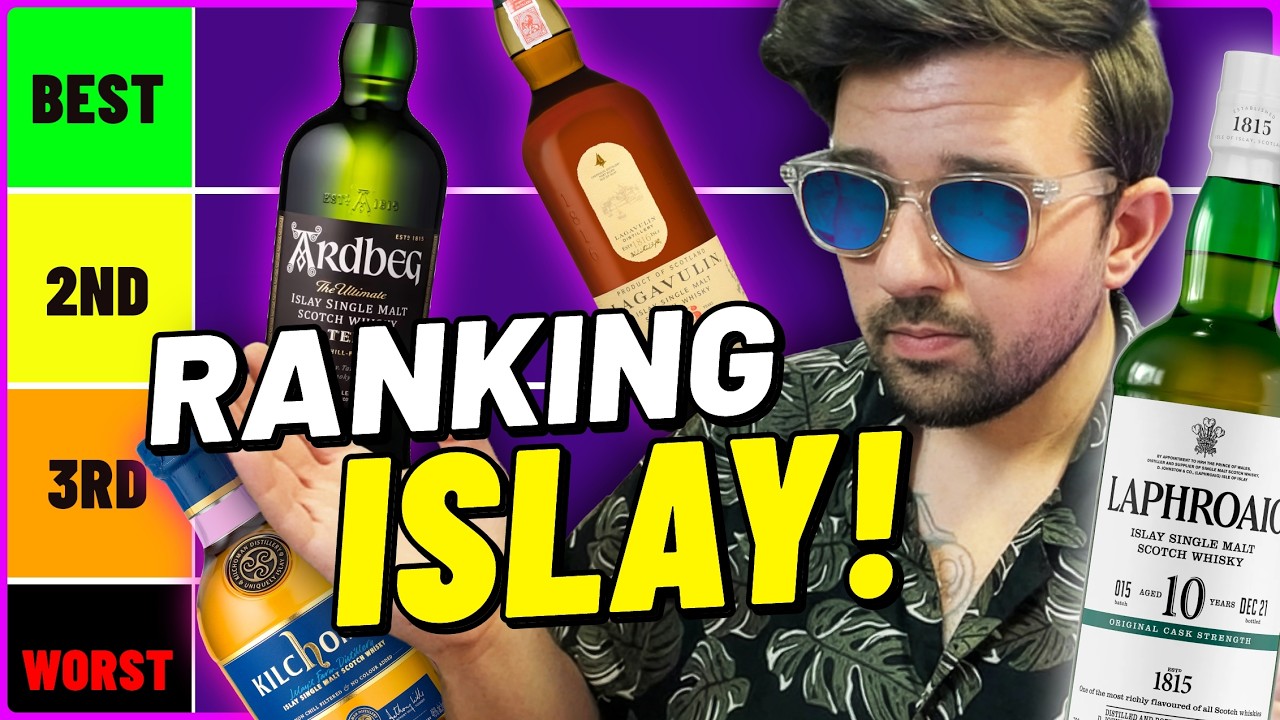
Jeff Whisky2026-03-07 14:01:202026-03-07 14:01:20Ranking Islay Scotch Whiskies from Best to Worst!
https://jeffwhisky.com/wp-content/uploads/dynamic_avia/avia_video_thumbnails/youtube/W-lUunNDU0Q/W-lUunNDU0Q.jpg
720
1280
Jeff Whisky
https://jeffwhisky.com/wp-content/uploads/2024/02/Jeff-Whisky-Logo-1030x682.png
Jeff Whisky2026-03-07 14:01:202026-03-07 14:01:20Ranking Islay Scotch Whiskies from Best to Worst!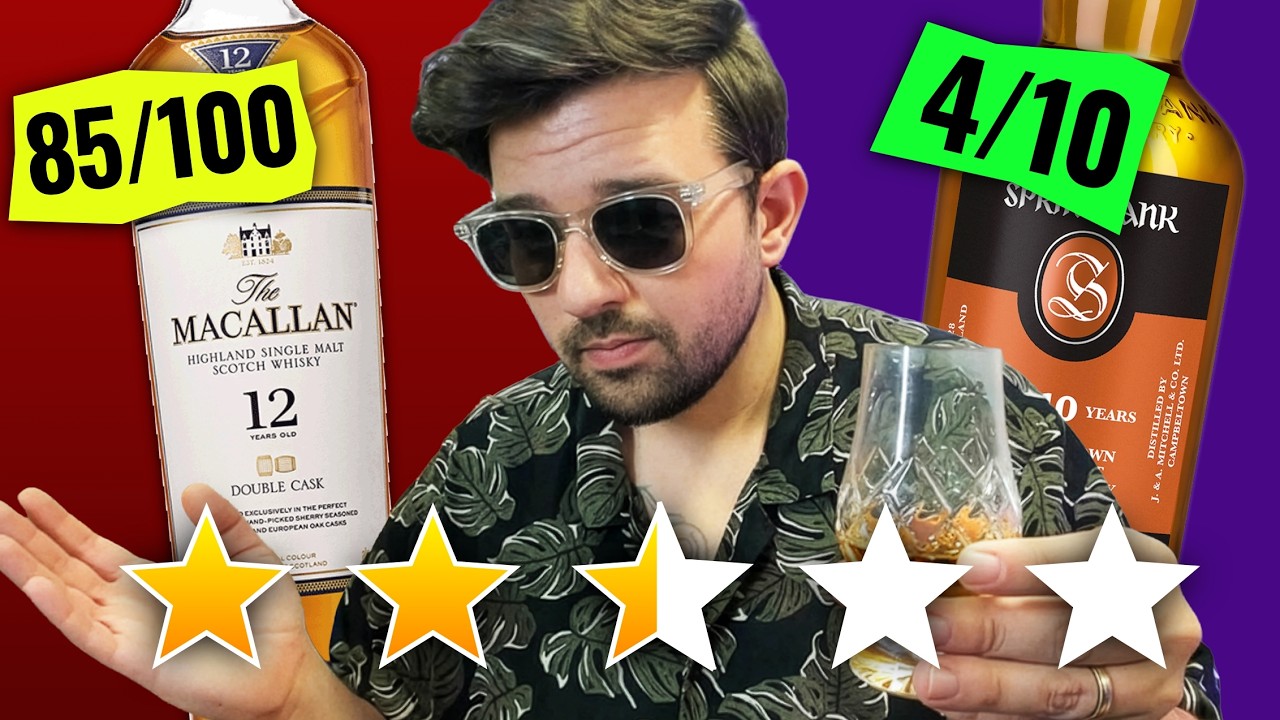 https://jeffwhisky.com/wp-content/uploads/dynamic_avia/avia_video_thumbnails/youtube/1vCeQ3soJWQ/1vCeQ3soJWQ.jpg
720
1280
Jeff Whisky
https://jeffwhisky.com/wp-content/uploads/2024/02/Jeff-Whisky-Logo-1030x682.png
Jeff Whisky2026-02-23 22:56:152026-02-25 16:38:24The Problem with Ranking and Scoring Whiskies
https://jeffwhisky.com/wp-content/uploads/dynamic_avia/avia_video_thumbnails/youtube/W-lUunNDU0Q/W-lUunNDU0Q.jpg
720
1280
Jeff Whisky
https://jeffwhisky.com/wp-content/uploads/2024/02/Jeff-Whisky-Logo-1030x682.png
Jeff Whisky2026-03-07 14:01:202026-03-07 14:01:20Ranking Islay Scotch Whiskies from Best to Worst!
https://jeffwhisky.com/wp-content/uploads/dynamic_avia/avia_video_thumbnails/youtube/1vCeQ3soJWQ/1vCeQ3soJWQ.jpg
720
1280
Jeff Whisky
https://jeffwhisky.com/wp-content/uploads/2024/02/Jeff-Whisky-Logo-1030x682.png
Jeff Whisky2026-02-23 22:56:152026-02-25 16:38:24The Problem with Ranking and Scoring Whiskies
https://jeffwhisky.com/wp-content/uploads/dynamic_avia/avia_video_thumbnails/youtube/1vCeQ3soJWQ/1vCeQ3soJWQ.jpg
720
1280
Jeff Whisky
https://jeffwhisky.com/wp-content/uploads/2024/02/Jeff-Whisky-Logo-1030x682.png
Jeff Whisky2026-02-23 22:56:152026-02-25 16:38:24The Problem with Ranking and Scoring Whiskies
https://jeffwhisky.com/wp-content/uploads/dynamic_avia/avia_video_thumbnails/youtube/W-lUunNDU0Q/W-lUunNDU0Q.jpg
720
1280
Jeff Whisky
https://jeffwhisky.com/wp-content/uploads/2024/02/Jeff-Whisky-Logo-1030x682.png
Jeff Whisky2026-03-07 14:01:202026-03-07 14:01:20Ranking Islay Scotch Whiskies from Best to Worst!
https://jeffwhisky.com/wp-content/uploads/dynamic_avia/avia_video_thumbnails/youtube/1vCeQ3soJWQ/1vCeQ3soJWQ.jpg
720
1280
Jeff Whisky
https://jeffwhisky.com/wp-content/uploads/2024/02/Jeff-Whisky-Logo-1030x682.png
Jeff Whisky2026-02-23 22:56:152026-02-25 16:38:24The Problem with Ranking and Scoring Whiskies https://jeffwhisky.com/wp-content/uploads/dynamic_avia/avia_video_thumbnails/youtube/-tV1GSW61C0/-tV1GSW61C0.jpg
720
1280
Jeff Whisky
https://jeffwhisky.com/wp-content/uploads/2024/02/Jeff-Whisky-Logo-1030x682.png
Jeff Whisky2026-02-23 22:43:452026-02-23 22:43:455 Awesome Fruity Scotch Whiskies
https://jeffwhisky.com/wp-content/uploads/dynamic_avia/avia_video_thumbnails/youtube/-tV1GSW61C0/-tV1GSW61C0.jpg
720
1280
Jeff Whisky
https://jeffwhisky.com/wp-content/uploads/2024/02/Jeff-Whisky-Logo-1030x682.png
Jeff Whisky2026-02-23 22:43:452026-02-23 22:43:455 Awesome Fruity Scotch Whiskies
 Ranking Islay Scotch Whiskies from Best to Worst!